Thumb CMC (CarpoMetaCarpal) Arthritis
/ Basal Joint Arthritis
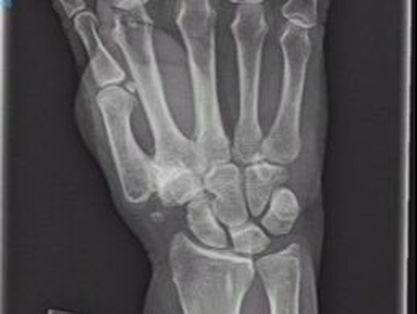
What is Thumb Carpometacarpal (CMC) Arthritis?
Common Treatments Include:
Helpful Links:
- Osteoarthritis is the wear-and-tear of the nice, smooth articular surface that coats the end of bones and allows the two bones of a joint to slide easily upon each other with movement.
- When the cartilage breaks down, it becomes becomes pocked, bone spurs may develop, and the joint space between the bones is lost.
- Pain occurs when the bones start rubbing against each other.
- The joints can also change position, become unstable, or become misshapen. A common location for this to occur is at the base of the thumb, known as CMC arthritis or basal joint arthritis.
- Common Symptoms
- Pain at the base of your thumb, particularly when gripping, grasping or pinching an object
- Swelling, stiffness and tenderness at the base of the thumb
- Decreased strength when pinching or grasping objects
- Decreased range of motion
- An enlarged or bony appearance of the joint at the base of your thumb
- The thumb may begin to "collapse" towards the palm of the hand.
Common Treatments Include:
- Use of orthotics, splints or braces to position the thumb joint in proper alignment and to support the joints during activity.
- Implementing Ergonomic Improvements & Activity Modification
- Use of gadgets and devices (adaptive equipment) to make tasks easier.
- Using modified techniques to place less stress on the joints (joint protection).
- Modifying the flow and pace of how activities are performed in order to minimize muscle fatigue, joint stress, and pain (energy conservation).
- Use of Heat and cold
- Use cold packs for acute pain or swelling.
- Use heat packs to control more chronic pain or relax the muscles.
- Wearing compression or Isotoner gloves at night may help control swelling and provide a comforting, neutral warmth.
- Perform gentle ROM exercises to keep joints as flexible as possible.
- Use of topical pain relieving creams if helpful and as needed.
- Modalities such as ultrasound, electrical stimulation and iontophoresis may be helpful to reduce pain and inflammation.
- Therapeutic taping may be helpful to reduce pain and provide gentle support.
- A short course of anti-inflammatory medications, such as NSAIDs, may be helpful in the inflammatory stage of arthritis onset as prescribed by an MD or an over-the-counter (Advil, Aleve) if not contraindicated by other medical conditions.
- A Cortisone injection into the painful area may temporarily reduce inflammation and pain.
- If conservative treatment methods do not alleviate the symptoms, surgical options may be considered.
Helpful Links:
- American Society of Hand Therapists (ASHT) - PDF Educational Handout
- American Society for Surgery of the Hand (ASSH) - Website Information
- Techniques to Reduce Joint Pain (ASSH Hand Care Blog) -6 Minute Video, Advice from a Hand Therapist
- Arthritis Foundation - "Tools and Resources"
- Arthritis Foundation - **Ease of Work products listed by category (health & wellness, home & hobby, work).
- **The Arthritis Foundation’s Ease of Use Commendation recognizes products proven to make life easier for people who have arthritis and other physical limitations.